Getting around
Paratransit, buses and trains, accessible parking, driving with hand controls, and paying for vehicle changes.
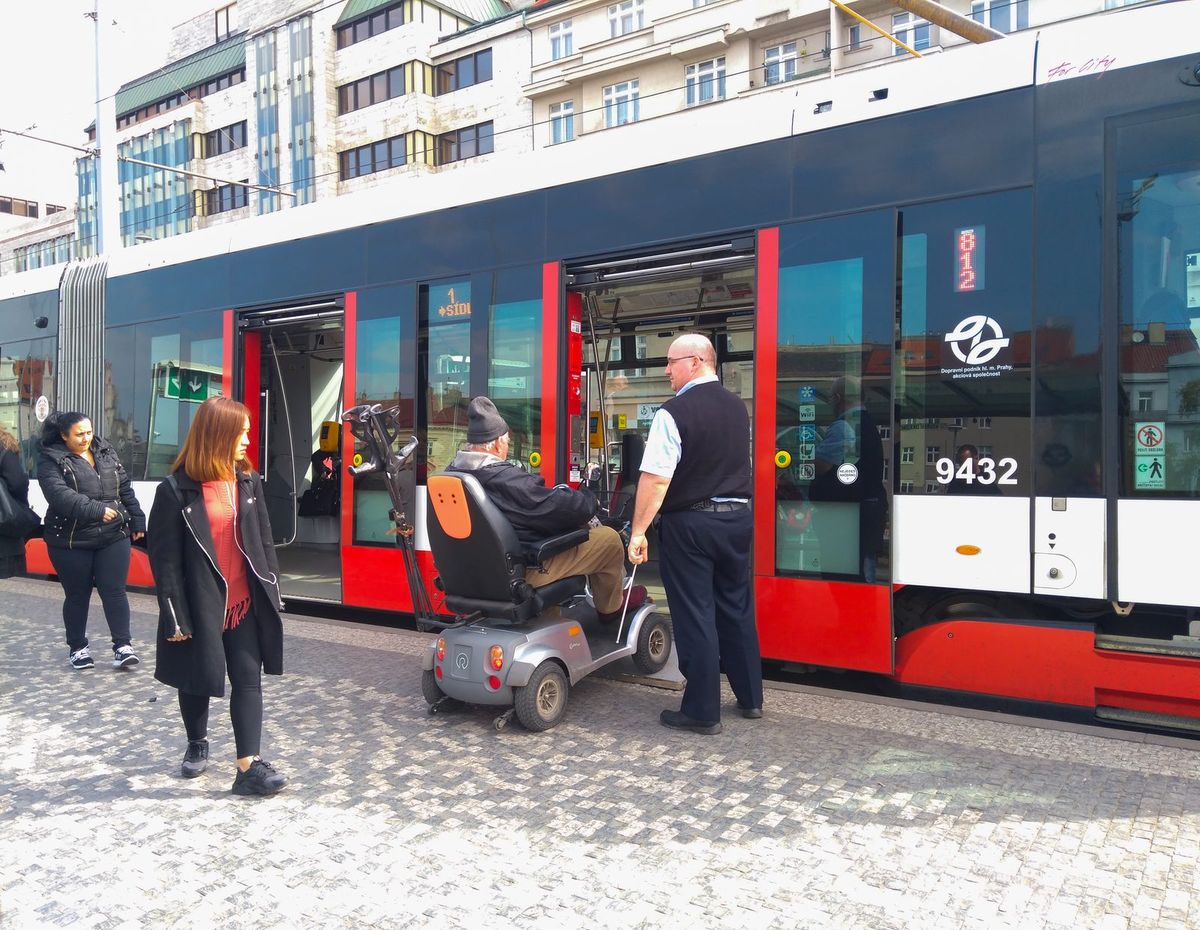
ADA paratransit
If a disability keeps you from using the regular bus or train some or all of the time, the transit agency must offer paratransit: a shared ride, usually door to door or curb to curb.
| The rule | What it means for you |
|---|---|
| Where | Anywhere within 3/4 of a mile of a regular bus or rail route. |
| When | The same days and hours as the regular buses and trains. |
| Cost | No more than twice the regular full fare. |
| Booking | You can book a ride for the next day. |
| Trip purpose | No limits. Work, the doctor, shopping, or fun all count. |
| Decisions | If the agency has not decided within 21 days of a complete application, you must be treated as eligible until it does. |
| Visiting | Visitors can use paratransit for 21 days in a year with proof of eligibility from home. |
| Appeals | You can appeal a denial within 60 days. |
- Call your local transit agency and ask for a paratransit application.
- Fill it out. Most agencies want a form from a doctor or therapist, and some ask for an in-person check.
- If you are denied, ask for the reason in writing and appeal. Use the Letter builder.
Buses, trains, and rides
- Public buses and trains must have lifts or ramps, and staff must help you board.
- Many transit agencies offer free travel training to learn routes and practice.
- Many cities have wheelchair-accessible taxis and rideshare options. Ask your transit agency or Center for Independent Living.
- Problems? File a complaint with the transit agency, then with the Federal Transit Administration.
Accessible parking
- Get a parking placard or plate from your state motor vehicle office. Most states need a form signed by a doctor or other clinician.
- Every state must honor placards and plates from other states, so you can use yours when you travel.
- Placards are only for trips that include the person with the disability.
Driving
- A Certified Driver Rehabilitation Specialist (CDRS) checks your driving, recommends hand controls or other equipment, and trains you. Find one at aded.net.
- Buy equipment and changes from a dealer that works with driver rehab specialists. Ask about manufacturer mobility rebates on new vehicles.
Paying for vehicle changes
- Vocational Rehabilitation can pay for vehicle changes and driver training when you need them for work or school.
- The VA offers an automobile allowance and adaptive equipment grants to eligible veterans. See Veterans: vehicles.
- Medicaid waivers in some states pay for vehicle changes.
- State AT Act programs may offer loans. Find yours.
Search transportation help in your state
Rides, paratransit, and driver rehab in the Atlas.
Search runs on the Disability Atlas, our sister site, which holds every listing.
Last reviewed: October 2026. Laws, dollar amounts, and program rules change. Check with the agency named on this page before you make a decision. Report outdated or wrong information.